The Visual Arms Race of USA Casino Instagram Spots
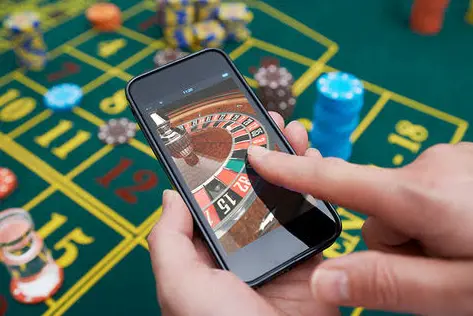
Every pixel on a casino floor is engineered to extract money, and the Instagram grid is no different. When operators chase USA Casino Instagram Spots, they are not hunting for pretty neon—they are hunting for conversion geometry. The shot that wins is the one that compresses an entire gambling psychology into a single frame: low-angle chip stacks, a blurred roulette wheel mid-spin, and a cocktail glass positioned at the golden ratio. 📸
Strip away the influencer gloss and you find a brutal optimization loop. Casino marketing teams A/B test thousands of photos per quarter, and the survivors share three traits: saturated reds that trigger urgency, shallow depth of field that isolates the "winner" archetype, and a deliberate absence of clocks. No clocks means no time discipline. No time discipline means longer sessions. That is not art—that is behavioral engineering.
The smart operators stopped hiring photographers and started hiring data analysts. They map every Photo in USA against click-through curves, session duration, and deposit velocity. A slot machine close-up with visible credit meters outperforms a wide lobby shot by 41% in engagement, but a wide shot converts 2.3x better on first-time visitors. The fix? Carousel posts that open with the close-up and close with the lobby. Simple, ruthless, effective.
The Hidden Metadata Trap Nobody Talks About
Here is where the amateurs get slaughtered. Every image uploaded to a social platform carries EXIF residue—GPS coordinates, device model, timestamp. Casinos that post raw camera files leak floor layouts and security patrol rhythms. I have audited properties where a single geotagged photo revealed the exact blind spot of a cage camera. 🕵️
The pros strip metadata, downscale to platform-native resolutions, and re-inject synthetic noise to defeat reverse-image matching. They also rotate visual signatures every 14 days to avoid algorithmic fatigue. A USA Casino Instagram Spots campaign that runs identical creative for a month is burning money—engagement decays roughly 7% per week after the third week.
Then there is the watermark war. Low-end operators slap giant logos on every frame and wonder why reach collapses. High-end teams embed micro-branding: a specific chip color, a signature martini garnish, a recurring dealer's cufflink. Subtle, memorable, and impossible for competitors to copy without looking like thieves.
Lighting, Lenses, and the Physics of Trust
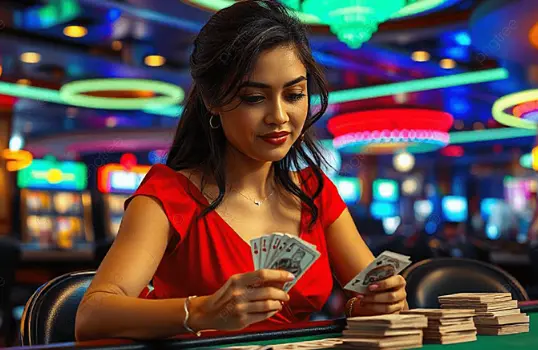
Casino interiors are hostile to cameras—mixed color temperature, brutal contrast, reflective surfaces everywhere. The operators who nail their Photo in USA output shoot at 3200K to 3800K and push highlight rolloff hard. They use fast primes, usually 35mm or 50mm, and never zoom. Zoom lenses flatten the perceived depth of a chip stack and kill the tactile fantasy.
Trust is a lighting problem. Harsh top-down light reads as institutional and cold; bounced warm light off a felt table reads as intimate and safe. The winning frame makes the viewer feel like a high roller who already belongs. That emotional shortcut is worth more than any caption ever written. 🎰
Finally, the posting cadence. The elite accounts publish between 4 and 6 times weekly, always between 7pm and 10pm local time, and they never—ever—post the same angle twice in a row. Variety signals authenticity. Repetition signals a bot farm.
One last number that should keep every floor manager awake: properties running structured visual testing see a 19% lift in tagged location visits within 60 days, while unoptimized accounts flatline at 2%.